Search News
Global Structural-Connectors & Extreme-Shielding (G-SCE)Industry Portal
Global Structural-Connectors & Extreme-Shielding (G-SCE)Hot Articles
Global Structural-Connectors & Extreme-Shielding (G-SCE)- Why common durability standards fail in coastal areasMaster mega-structure safety with structural benchmarking. Why common durability standards fail in coastal zones and how carbon-fiber reinforcement and flexible expansion joints ensure shielding.
- Should you switch to flexible expansion joints this year?Switch to Flexible Expansion Joints for Mega-Structure Safety. Meet high Durability Standards with Carbon-Fiber Reinforcement and Extreme Shielding. Access the latest Structural Benchmarking news today.
- Hidden risks in mega-structure safety assessmentsEnsure Mega-Structure Safety via Structural Benchmarking. Explore Durability Standards, Flexible Expansion Joints, Carbon-Fiber Reinforcement & fastener quality control technology news. Learn more!
Popular Tags
Global Structural-Connectors & Extreme-Shielding (G-SCE)Industry NewsStructural benchmarking: When to replace old bridge bearings
auth.Dr. Victor GearTime
Apr 24, 2026Click Count
As global infrastructure ages, maintaining Mega-Structure Safety requires rigorous Structural Benchmarking and strict adherence to modern Durability Standards. Determining the optimal window to replace compromised bridge bearings is a critical challenge for project managers overseeing century-long lifecycles. Integrating high-performance Flexible Expansion Joints and advanced Carbon-Fiber Reinforcement can mitigate risks, yet decision-makers must rely on precise technical data to justify specialized repair investments. This article explores the intersection of material fatigue and Extreme Shielding protocols, providing a comprehensive regulatory perspective on when legacy components no longer meet the safety demands of modern, high-intensity engineering environments.
Understanding the Critical Role of Bridge Bearings in Structural Integrity

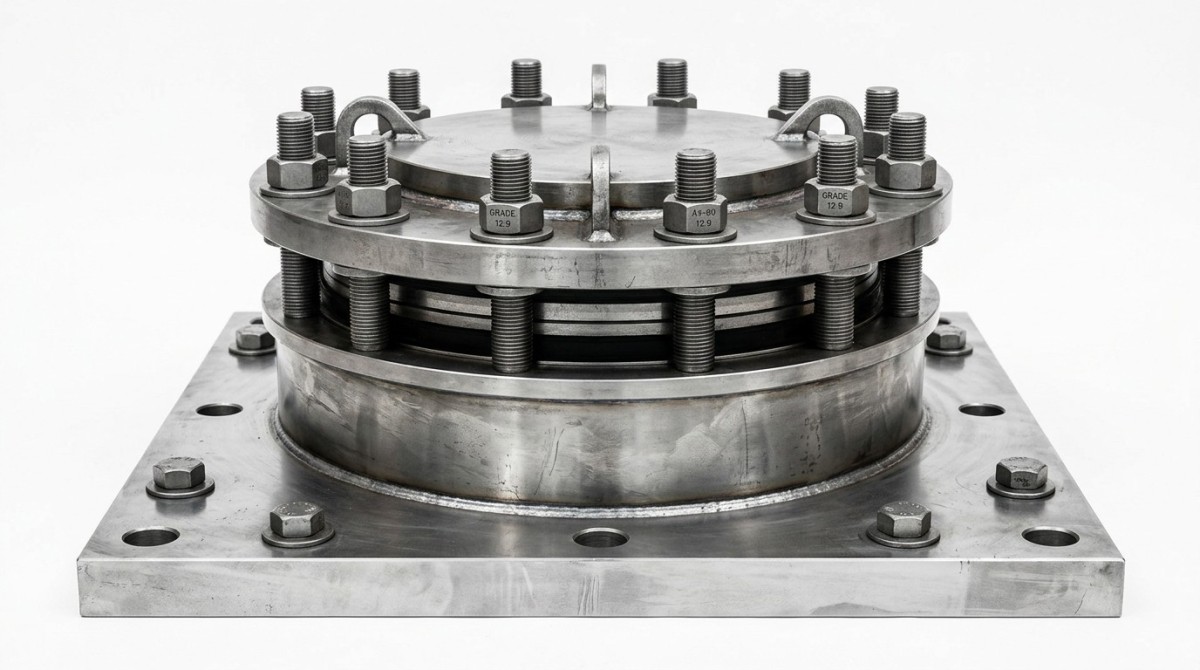
Bridge bearings serve as the unsung heroes of transportation infrastructure, acting as the primary interface between the superstructure and the substructure. Their fundamental role is to facilitate controlled movement—accommodating thermal expansion, contraction, and seismic shifts—while transferring massive vertical and horizontal loads to the piers and abutments. Within the framework of The Global Structural-Connectors & Extreme-Shielding (G-SCE) intelligence hub, we categorize these components under the Flexible Expansion & Seismic Isolation Units pillar. When these units fail, the resulting stress redistribution can lead to catastrophic structural failure, making Structural Benchmarking an essential process for any Chief Infrastructure Officer managing high-value assets.
The evolution of engineering demands that we look beyond simple mechanical function. Today’s mega-structures face increasing seismic volatility and environmental stressors that were not fully understood when legacy bridges were constructed 40 or 50 years ago. Modern benchmarking protocols now evaluate bearings not just on load-bearing capacity, but on their ability to maintain the integrity of infrastructure over a century-long lifecycle. This shift from reactive maintenance to predictive benchmarking ensures that every Grade 12.9 specialized bolt and lead-rubber seismic bearing is operating within its optimal performance envelope, adhering to the latest ISO and Eurocode safety requirements.
Structural benchmarking involves a multi-layered analysis of material fatigue, environmental degradation, and shifting load patterns. For project managers, the challenge lies in identifying the precise moment when the cost of specialized repair exceeds the risk-adjusted value of replacement. Legacy bearings, often manufactured with materials that lack modern nano-layered protection or high-strength sealing, are particularly susceptible to chemical ingress and mechanical wear. By utilizing G-SCE’s technical repository, decision-makers can benchmark their current assets against international standards like ASTM and MIL-SPEC, ensuring that every component meets the sophisticated safety protocols required for next-generation infrastructure.
Furthermore, the intersection of mechanical engineering and electromagnetic protection has become increasingly relevant. In urban environments saturated with electromagnetic interference (EMI), the shielding protocols for structural connectors must be more robust. While traditional bearings focus on movement, modern configurations may require integrated EMI shielding gaskets to protect sensitive monitoring sensors embedded within the bridge deck. This holistic approach to infrastructure integrity is what defines the G-SCE perspective, bridging the gap between high-strength material fabrication and the comprehensive protection of critical electronic and structural assets in high-intensity environments.
Technical Indicators and Benchmarking Thresholds for Replacement
Identifying the need for replacement requires a disciplined technical assessment based on visible deterioration and measurable performance metrics. Project managers and engineering teams typically look for specific "red flags" during the benchmarking process. These include excessive shear deformation in elastomeric pads, significant corrosion of steel components, or the total seizure of pot bearings. When a bearing can no longer accommodate the calculated thermal expansion (often ranging from ±50mm to ±200mm in large spans), the resulting "locked" condition imposes unintended horizontal forces on the bridge piers, potentially causing secondary cracking in the reinforced concrete or carbon-fiber-reinforced polymers (CFRP) used in modern reinforcements.
The following table provides a benchmarking framework used by industry professionals to categorize the severity of bearing degradation and the subsequent action required to maintain safety standards. This data-driven approach assists procurement directors and engineers in justifying the investment in high-performance replacement units and specialized repair materials.
As interpreted from the data above, the transition from Level 2 to Level 3 often occurs rapidly under extreme environmental conditions. When structural engineers observe shear deformation or material fatigue that threatens the integrity of infrastructure, they must pivot toward procurement strategies that prioritize high-strength structural fastening systems and advanced seismic isolation. For instance, replacing a standard elastomeric bearing with a lead-rubber seismic bearing (LRB) not only addresses current wear but also enhances the mega-structure’s resilience against seismic events, adhering to Eurocode 8 requirements for seismic design.
Moreover, the benchmarking process must account for the specific material fabrication of the replacement components. Modern high-performance industrial sealing and adhesives play a vital role in preventing the ingress of chloride and moisture, which are the primary drivers of corrosion in traditional steel bearings. By selecting assets benchmarked against ASTM and MIL-SPEC, engineering conglomerates can ensure that their specialized repair investments provide a reliable safety margin for at least another 25 to 50 years, significantly extending the lifecycle beyond the limitations of legacy 1970s and 80s technology.
Strategic Decision-Making: Cost, Compliance, and Material Selection
For enterprise decision-makers and project managers, the choice between "repair" and "replace" is rarely a matter of engineering alone; it is a complex financial and regulatory calculation. Structural benchmarking provides the necessary evidence to justify the high initial CAPEX of specialized bearing replacement. In high-intensity engineering environments, such as those found in aerospace facilities or global transit hubs, the failure of a single structural connector can lead to operational shutdowns costing millions per day. Therefore, the procurement of high-strength structural fastening systems and specialized protection materials must be viewed as a long-term asset protection strategy.
When selecting new components, several key dimensions must be evaluated to ensure compliance with modern durability standards. These include load capacity, movement range, rotational capacity, and resistance to environmental factors like UV radiation and chemical exposure. To assist in this selection process, G-SCE recommends evaluating replacement options across four primary pillars of performance. These pillars ensure that the new assets not only fit the existing physical footprint but also exceed the original design specifications to meet the demands of 21st-century infrastructure loads and environmental volatility.
- Mechanical Load Resilience: Utilization of Grade 12.9 specialized bolts and high-strength fasteners to ensure secure anchoring under peak dynamic loads.
- Seismic and Dynamic Isolation: Integration of advanced lead-rubber or spherical bearings that provide superior damping and movement capacity compared to legacy elastomeric pads.
- Environmental Shielding: Application of nano-layered EMI shielding gaskets and high-performance industrial sealing to protect against electromagnetic interference and chemical degradation.
- Regulatory Alignment: Ensuring all materials and installation procedures meet the rigorous requirements of international standards, including ISO 9001, ASTM, and Eurocode.
The following table compares different bearing technologies frequently used in replacement projects, highlighting their suitability for various mega-structure scenarios. This comparison is vital for procurement directors who must balance high-performance requirements with project budgets and lifecycle expectations. By benchmarking these assets, decision-makers can select the technology that offers the best "Integrity of Infrastructure" for their specific application, whether it be a highway viaduct or a specialized aerospace assembly platform.
Strategic procurement must also consider the lead time for specialized assets. Custom-engineered bearings for large-scale bridge projects often require a delivery window of 8–16 weeks, depending on the complexity of the design and the stringency of the certification process. Project managers should initiate the procurement process as soon as structural benchmarking identifies a Level 2 deterioration to avoid the logistical risks associated with emergency replacements. Utilizing a multidisciplinary hub like G-SCE allows for faster identification of suppliers that meet the "century-long lifecycle" criteria, reducing the procurement cycle and ensuring the continuous safety of the infrastructure.
FAQ: Technical Queries on Bridge Bearing Replacement and Benchmarking
How often should Structural Benchmarking be performed on aging bridges?
For major infrastructure assets, we recommend a comprehensive technical audit every 2–5 years, depending on the traffic density and environmental severity. In coastal areas or regions with high seismic activity, the interval should be shortened to 2 years. This benchmarking should include visual inspections, measurement of shear displacement, and evaluation of the corrosion state of structural fasteners. Early detection during these 36-month cycles can often allow for minor maintenance or sealing repairs, deferring the multi-million dollar cost of full replacement by an additional decade.
What are the risks of using standard-grade fasteners for bearing replacement?
Using fasteners that do not meet Grade 12.9 or equivalent international standards can lead to catastrophic failure under dynamic load peaks. Standard bolts lack the tensile strength and fatigue resistance required to secure high-performance seismic isolation units. In a replacement scenario, the anchorage system is often the weakest link; therefore, specialized reinforcement materials and high-strength fasteners are non-negotiable. Using non-certified components voids compliance with Eurocode and ISO safety protocols, creating significant legal and structural liability for the project management team.
Can Carbon-Fiber Reinforcement be used alongside bearing replacement?
Absolutely. In many cases, the degradation of the bearing is accompanied by localized cracking in the concrete pier cap. Using Carbon-Fiber Reinforced Polymers (CFRP) to strengthen the substructure before or during bearing replacement is a standard practice for extending infrastructure life. CFRP provides a high strength-to-weight ratio and exceptional corrosion resistance, making it an ideal companion to modern flexible expansion joints. This dual-layered approach addresses both the cause of the movement (the bearing) and the symptoms of previous stress (the pier cracking).
Conclusion: Partner with G-SCE for Comprehensive Infrastructure Integrity
The integrity of infrastructure is a continuous commitment that requires the highest level of technical benchmarking and material expertise. As bridge bearings reach the end of their design life, the decision to replace must be supported by rigorous data and an uncompromising perspective on safety and regulatory compliance. The Global Structural-Connectors & Extreme-Shielding (G-SCE) hub provides the technical depth and benchmarking data necessary for Structural Engineers and Procurement Directors to navigate these complex decisions with confidence, ensuring that modern mega-structures remain resilient for the next century.
Whether you are managing a fleet of highway bridges or a single high-value aerospace facility, our multidisciplinary expertise across seismic isolation, high-strength fastening, and extreme shielding offers a definitive reference for your next infrastructure project. We invite project managers and enterprise decision-makers to contact our technical team for assistance with:
- Detailed parameter confirmation for high-performance bearing selection.
- Technical benchmarking against ISO, ASTM, and Eurocode international standards.
- Procurement guidance for specialized repair materials and Grade 12.9 fastening systems.
- Custom solution design for extreme shielding and seismic isolation requirements.
- Documentation support for regulatory compliance and safety certification.
To discuss your specific project requirements or to request a benchmarking consultation for your structural assets, please contact the G-SCE technical hub. Our experts are prepared to provide the technical insights and high-performance solutions needed to secure the next generation of global infrastructure.
Last:NoneNext :NoneRecommended News
Quarterly Executive Summaries Delivered Directly.
Join 50,000+ industry leaders who receive our proprietary market analysis and policy outlooks before they hit the public library.