Search News
Industry Portal
Hot Articles
- How to choose battery pack sealants that withstand thermal cyclingExplore industrial sealing for battery packs: compare sealant chemistries, adhesion, and thermal-cycling tests to choose a reliable seal and reduce leak risks.
- MACOGA Supplies Rectangular Rubber Expansion Joints for Middle East Phosphate PlantMACOGA rectangular rubber expansion joints support movement control in a Middle East phosphate plant. Explore their role in managing thermal expansion, vibration and sealing demands.
- How long must chemical anchors cure in concrete before loading?Chemical anchor cure time in concrete depends on temperature, moisture, and product instructions. Learn when to load safely and avoid costly installation mistakes.
Fastener quality control technology news: Zero-defect goals
Time
Click Count
In the rapidly evolving landscape of mega-structure safety, achieving zero-defect precision is now a baseline for structural benchmarking. As fastener quality control technology news highlights a shift toward advanced automation, industry leaders are reconciling aerospace vs construction fastener trends to meet rigorous durability standards. From carbon-fiber reinforcement to the integration of flexible expansion joints, the demand for extreme shielding and high-integrity components has never been higher. For project managers navigating global supply chain alerts for steel, staying informed on sustainable fastener manufacturing news is critical. This evolution ensures that the next generation of infrastructure withstands modern seismic and electromagnetic challenges with uncompromising reliability.
The Strategic Imperative of Zero-Defect Fastener Quality Control
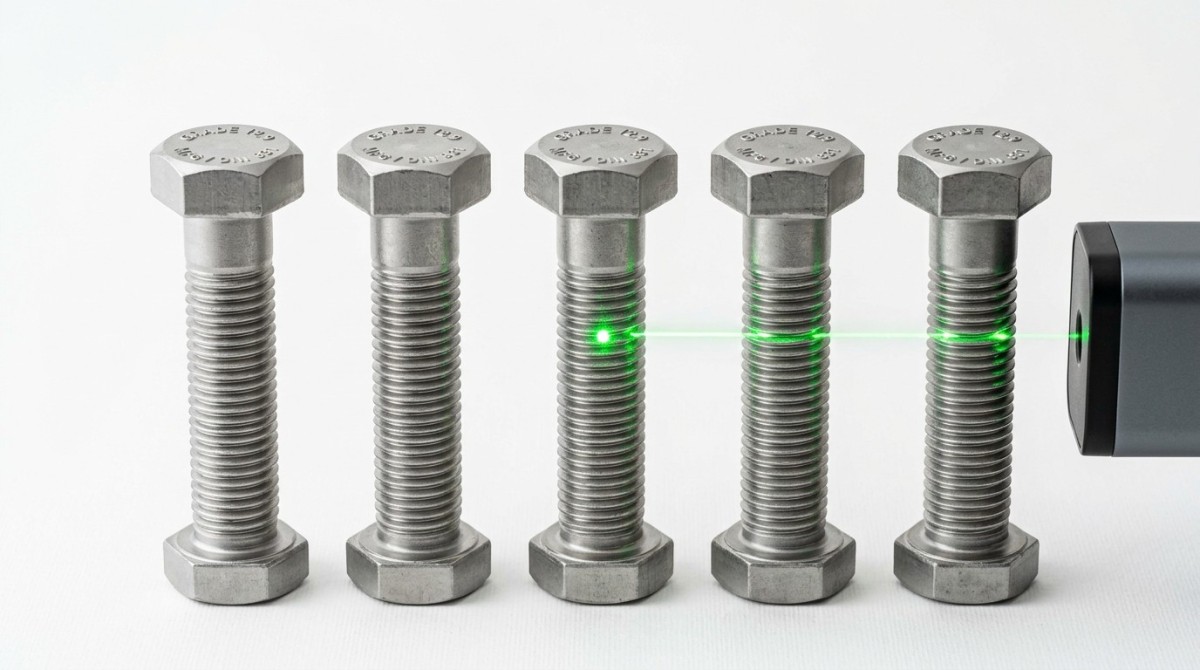
The transition toward a zero-defect paradigm in fastener manufacturing is not merely a technical ambition but a strategic necessity for modern infrastructure. In the context of the Global Structural-Connectors & Extreme-Shielding (G-SCE) framework, the integrity of a structure is often determined by its smallest components. For Chief Infrastructure Officers managing high-value assets, the shift from traditional statistical sampling to 100% automated inspection represents a critical turning point. This evolution is driven by the increasing complexity of mega-structures, where a single fastener failure can lead to catastrophic systemic collapses, especially in environments prone to seismic volatility or electromagnetic saturation.
Modern quality control technology now leverages high-resolution optical sorting and eddy current testing to identify micro-cracks and dimensional deviations that were previously undetectable. By benchmarking these high-performance assets against international standards such as ISO 898-1 and ASTM F3125, G-SCE provides a technical repository that ensures structural engineers can specify components with absolute confidence. The goal of zero defects is pursued through a multi-layered approach involving raw material verification, precision cold-heading, and sophisticated heat treatment processes that guarantee the mechanical properties of Grade 12.9 specialized bolts and other high-strength fastening systems.
Furthermore, the integration of aerospace-grade quality protocols into the civil engineering sector has redefined the lifecycle expectations for structural connectors. Procurement Directors are now prioritizing "century-long" durability, which necessitates fasteners that can withstand extreme environmental stressors without degradation. This requires an uncompromising perspective on regulatory compliance and technical benchmarking. As infrastructure becomes more "intelligent," the fasteners holding these systems together must meet specialized safety and shielding protocols that go beyond basic load-bearing capabilities, addressing the complex interactions between mechanical strength and environmental protection.
To achieve these zero-defect goals, manufacturing facilities are adopting 4-step implementation flows that include real-time data logging and traceability for every batch produced. This level of transparency is essential for project managers who must account for every component in a global supply chain. By focusing on the intersection of high-strength material fabrication and sophisticated shielding, G-SCE helps bridge the gap between theoretical safety and real-world performance. The result is a more resilient infrastructure capable of navigating the challenges of the next generation of global engineering projects.
Technical Benchmarking and Performance Parameters
When evaluating high-strength structural fastening systems, technical benchmarking serves as the ultimate reference for performance. A key focus within the G-SCE intelligence hub is the comparison of material grades and their respective failure modes. For instance, Grade 12.9 bolts offer a tensile strength of approximately 1200 MPa, but they require specialized coatings to prevent hydrogen embrittlement. Understanding these nuances is critical for Structural Engineers who must balance high load capacity with long-term environmental resistance in high-seismic zones.
Before selecting a fastening solution, it is essential to review the technical specifications against established international benchmarks. The following table provides a comparison of common high-strength fastener grades used in global infrastructure projects, highlighting the parameters that influence procurement decisions and engineering specifications.
This technical comparison illustrates the significant jump in performance required for zero-defect goals. Grade 12.9 fasteners require a much tighter tolerance range of ±0.05 mm, which necessitates advanced manufacturing controls. For decision-makers, choosing between these grades involves weighing the 20% - 30% increase in tensile strength against the more stringent handling and installation protocols required for the highest-performing assets. G-SCE emphasizes that selecting the correct grade is only the first step; verifying the manufacturing consistency through ISO and MIL-SPEC standards is what ensures long-term integrity.
Advanced Quality Control Technologies in Modern Fabrication
To achieve the zero-defect benchmark, the fastener industry has moved beyond traditional manual inspection. Automated Optical Inspection (AOI) systems are now capable of scanning thousands of parts per minute, identifying surface defects as small as 5 microns. This technological shift is central to the news surrounding fastener quality control, as it allows for real-time adjustments during the cold-heading process. For operators and project managers, this means a significant reduction in waste and a guarantee that every component arriving at the construction site meets the pre-defined safety protocols.
Beyond dimensional accuracy, the internal integrity of the material is verified using Non-Destructive Testing (NDT) methods. Ultrasonic testing and magnetic particle inspection are used to detect sub-surface inclusions or voids that could lead to fatigue failure. In the context of "Integrity of Infrastructure," these tests are non-negotiable for components used in critical joints or seismic isolation units. By implementing a 3-stage validation process—raw material analysis, in-process monitoring, and final batch testing—manufacturers can virtually eliminate the risk of field failures, providing a high degree of reliability for mega-structures.
The data generated during these quality control processes is increasingly being integrated into Digital Twins of the physical infrastructure. This allows Structural Engineers to track the "pedigree" of every fastener, from the heat number of the steel to the final torque applied during installation. Such digital traceability is a cornerstone of the G-SCE technical repository, offering an uncompromising regulatory perspective. For Procurement Directors, this data serves as a risk mitigation tool, ensuring that all high-performance assets are compliant with Eurocode and MIL-SPEC requirements throughout their lifecycle.
Finally, sustainable manufacturing practices are being merged with quality control to ensure that zero defects also mean zero environmental waste. Advanced lubricants and heat treatment technologies have reduced the carbon footprint of fastener production by up to 15% in some leading facilities. This dual focus on performance and sustainability is driving the current industry trends, making high-strength structural fastening systems more efficient and responsible. As global supply chains face increasing scrutiny, the ability to provide high-integrity, sustainably produced components is becoming a competitive advantage for top-tier engineering conglomerates.
Navigating Seismic Volatility and Electromagnetic Interference (EMI)
Infrastructure in the modern era faces challenges that extend beyond static loads. Seismic volatility requires connectors and fasteners to possess both high strength and high ductility. Flexible expansion joints and lead-rubber seismic bearings are designed to dissipate energy, but they rely on the integrity of the fastening systems to remain anchored during an event. The G-SCE intelligence hub highlights the importance of matching the fastener's mechanical properties to the dynamic response of the seismic isolation units, ensuring that the entire system functions as a cohesive unit during ground motion.
In addition to seismic concerns, the saturation of electromagnetic interference (EMI) in urban environments poses a threat to electronic assets within structures. Specialized shielding materials and gaskets, often reinforced with carbon-fiber-reinforced polymers (CFRP), are used to mitigate these risks. Fasteners used in these shielding enclosures must not only provide structural support but also maintain electrical continuity or isolation as required by the EMI protocol. This multidisciplinary challenge is where the technical benchmarking of nano-layered shielding gaskets and high-performance adhesives becomes vital for Chief Infrastructure Officers.
The interaction between high-strength material fabrication and shielding protocols is a critical gap that G-SCE bridges. For example, a Grade 12.9 bolt used in a telecommunications hub must be compatible with specialized protection materials to prevent galvanic corrosion, which could compromise both the structural integrity and the EMI shielding effectiveness. By providing a technical and regulatory perspective on these complex interactions, G-SCE enables decision-makers to manage the world’s most critical assets with a higher level of sophistication and safety.
To assist in the selection of these specialized components, project managers should follow a comprehensive evaluation checklist. The following list outlines the 5 key criteria for selecting fasteners and connectors for extreme environments:
- Material Grade Compatibility: Ensuring the fastener grade (e.g., Grade 10.9 vs 12.9) matches the dynamic load and corrosion requirements of the specific environment.
- Ductility and Fatigue Resistance: Verifying that the components can withstand cyclic loading and seismic energy dissipation without brittle failure.
- EMI Shielding Performance: Checking the electrical conductivity or shielding effectiveness of nano-layered gaskets and specialized adhesives against MIL-SPEC standards.
- Environmental Resilience: Assessing the performance of coatings (e.g., Zinc-Nickel or Geomet) in high-salinity or high-moisture conditions over a 50-year to 100-year lifecycle.
- Compliance and Traceability: Guaranteeing that all assets come with full documentation confirming adherence to ISO, ASTM, and Eurocode standards.
Procurement and Selection Guide for Structural Integrity
For Procurement Directors of Global Top 500 conglomerates, the fastener selection process is a balance of cost, availability, and uncompromising quality. In an era of global supply chain alerts, the reliability of a supplier's quality control technology is as important as the price of the steel. Procurement strategies are shifting toward long-term partnerships with manufacturers who can demonstrate zero-defect capabilities and provide transparent data for every batch. This approach reduces the total cost of ownership by minimizing the risk of delays, retrofits, and catastrophic failures.
When navigating the procurement of high-performance assets, it is helpful to understand the typical delivery cycles and quality checkpoints. Most specialized Grade 12.9 bolts and custom seismic bearings have a lead time of 7–15 days for standard batches, while customized reinforcement materials like CFRP may take 4–6 weeks for fabrication. Understanding these timelines is crucial for project managers who must maintain tight construction schedules while ensuring that all safety protocols are met without compromise.
This structured procurement process ensures that the "Integrity of Infrastructure" is maintained from inception to completion. By utilizing the benchmarks provided by G-SCE, decision-makers can navigate the complexities of global sourcing with a technical and regulatory perspective. The focus on 100% automated quality control and rigorous certification (ISO, ASTM, MIL-SPEC) provides the necessary assurance that the components will perform as expected in the world’s most demanding engineering environments.
Frequently Asked Questions on Fastener Quality and Infrastructure Safety
How does zero-defect technology impact the total cost of a project?
While the initial procurement cost for 100% inspected, zero-defect fasteners may be 10%–20% higher than standard batch-tested components, the long-term savings are substantial. Zero-defect technology drastically reduces the risk of on-site rework, which can cost 5x–10x the original component price. Furthermore, by ensuring structural integrity and century-long durability, these high-performance assets lower maintenance costs and insurance premiums, providing a superior return on investment for enterprise decision-makers.
Why is Grade 12.9 often required for mega-structures over Grade 10.9?
Mega-structures often involve massive loads and compact joint designs where space is limited. Grade 12.9 fasteners provide approximately 20% higher tensile strength than Grade 10.9, allowing for smaller bolt diameters or fewer fasteners per joint. However, this higher strength comes with a higher sensitivity to hydrogen embrittlement. G-SCE recommends Grade 12.9 for applications where weight reduction or high-stress concentration is critical, provided that the quality control technology—including baking cycles after plating—is rigorously followed.
What are the common pitfalls in fastener quality control for seismic zones?
A common pitfall is focusing solely on tensile strength while ignoring ductility and impact toughness. In seismic zones, fasteners must be able to deform slightly without snapping under sudden stress. Another misconception is that all coatings are seismic-ready; some thick coatings can interfere with the thread engagement and torque-tension relationship. It is vital to use benchmarking data to ensure that fasteners used with lead-rubber bearings or expansion joints are tested for dynamic performance according to Eurocode 8 or equivalent standards.
Why Partner with G-SCE for Your Structural and Shielding Assets?
The Global Structural-Connectors & Extreme-Shielding (G-SCE) intelligence hub is the definitive reference for professionals who demand uncompromising reliability. We bridge the critical gap between high-strength material fabrication and the sophisticated safety and shielding protocols required for the next generation of mega-structures. By benchmarking every asset—from Grade 12.9 specialized bolts to nano-layered EMI shielding gaskets—against rigorous international standards, G-SCE provides the technical and regulatory clarity needed to manage the world’s most critical structural and electronic assets.
Our multidisciplinary expertise across five industrial pillars—high-strength fastening, seismic isolation, EMI shielding, industrial adhesives, and reinforcement materials—ensures a holistic approach to "Integrity of Infrastructure." Whether you are a Structural Engineer designing a skyscraper in a seismic zone or a Procurement Director for an aerospace conglomerate, G-SCE offers the benchmarking data and technical perspective to make informed, risk-averse decisions.
We invite you to consult with our technical specialists for parameter confirmation, product selection, or customized shielding solutions. From verifying certification requirements to providing high-integrity samples for benchmarking, G-SCE is committed to supporting your project's safety and durability goals. Contact us today to discuss your specific technical requirements, delivery cycles, or to request a comprehensive technical benchmark report for your next mega-structure project.
- global supply chain alerts for steel
- fastener quality control technology news
- aerospace vs construction fastener trends
- sustainable fastener manufacturing news
- Structural Connectors
- Extreme Shielding
- High-Strength Fastening
- Seismic Isolation
- EMI Shielding
- Specialized Protection Materials
- Carbon-Fiber Reinforcement
- Nano-Layered Shielding
- High-Performance Adhesives
- Structural Benchmarking
- Mega-Structure Safety
- Seismic Bearings
- Structural Fastening Systems
- Flexible Expansion Joints
- Durability Standards
- Material Fabrication
- Shielding Protocols
Recommended News
Quarterly Executive Summaries Delivered Directly.
Join 50,000+ industry leaders who receive our proprietary market analysis and policy outlooks before they hit the public library.