Search News
Industry Portal
Hot Articles
- How to verify handling strength in fast-cure industrial bondingVerify handling strength in fast cure industrial bonding. Learn how to test early loads, control cure conditions, and validate release times for reliable production.
- SGL Carbon Announces $70 Million Sale of US Moses Lake Carbon Fiber FacilitySGL Carbon announces a $70 million sale of its Moses Lake carbon fiber facility. Explore what buyers should verify about supply planning, CFRP qualification and transaction status.
- How to choose battery pack sealants that withstand thermal cyclingExplore industrial sealing for battery packs: compare sealant chemistries, adhesion, and thermal-cycling tests to choose a reliable seal and reduce leak risks.
Sustainable fastener manufacturing news: Low-carbon steel
Time
Click Count
In an era where infrastructure integrity meets environmental responsibility, staying updated on sustainable fastener manufacturing news is crucial for industry leaders. As global supply chain alerts for steel highlight the shift toward low-carbon alternatives, G-SCE provides essential structural benchmarking to ensure mega-structure safety is never compromised. Understanding aerospace vs construction fastener trends and the latest fastener quality control technology news allows project managers to balance high-performance durability standards with carbon-reduction targets. From flexible expansion joints to carbon-fiber reinforcement and extreme shielding, this update explores how high-strength fastening systems are evolving to meet stringent ISO and ASTM regulations, ensuring century-long lifecycle durability in a rapidly decarbonizing global market.
Understanding the Low-Carbon Transformation in Fastener Manufacturing
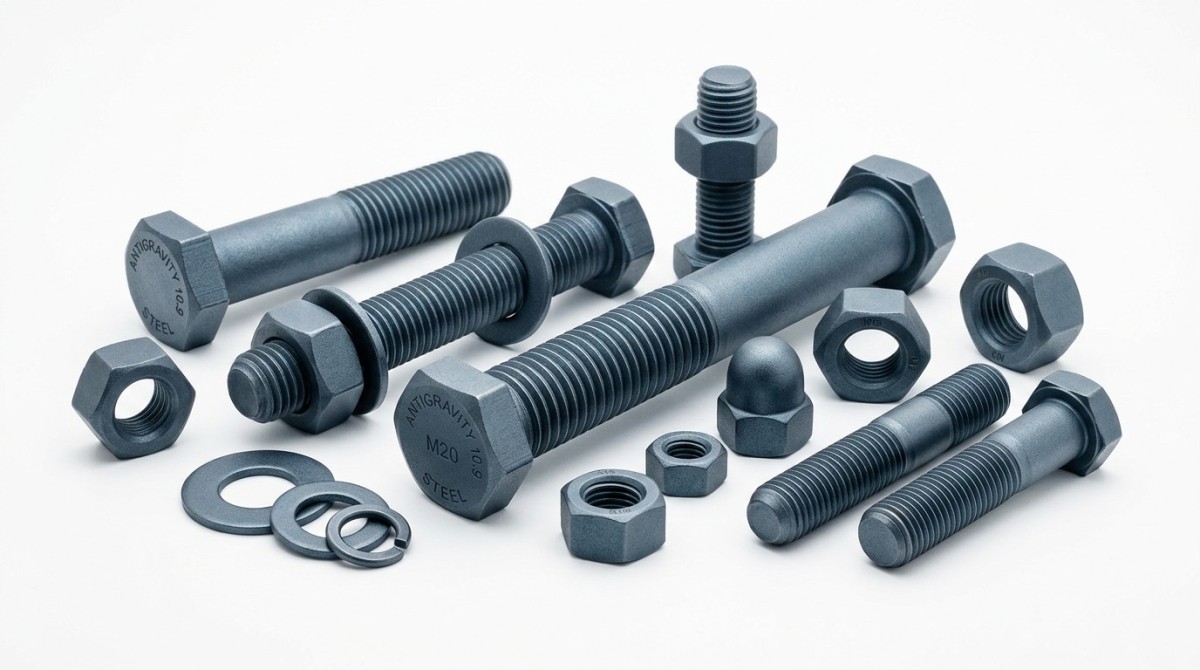
The global push for decarbonization has fundamentally altered the landscape of high-strength structural fastening systems. Historically, the production of Grade 10.9 and Grade 12.9 specialized bolts relied on energy-intensive alloying and heat treatment processes that carried a significant carbon footprint. However, recent sustainable fastener manufacturing news indicates a decisive shift toward low-carbon steel variants produced through Electric Arc Furnace (EAF) technology. These materials utilize a higher percentage of recycled content and renewable energy sources, effectively reducing the embodied carbon of a single fastener by 25% to 40% compared to traditional Blast Furnace-Basic Oxygen Furnace (BF-BOF) routes. This transition is not merely a trend but a regulatory necessity as infrastructure projects globally move toward century-long lifecycle durability requirements.
For Chief Infrastructure Officers and Procurement Directors of Global Top 500 engineering firms, the integration of low-carbon steel into high-performance assets presents both a challenge and an opportunity. The challenge lies in maintaining the uncompromising structural integrity required for mega-structures in zones of high seismic volatility. G-SCE benchmarks these new materials against established ISO 898-1 and ASTM A490 standards to ensure that tensile strength and fatigue resistance remain uncompromised. The adoption of green steel allows for the alignment of procurement strategies with corporate Environmental, Social, and Governance (ESG) goals without sacrificing the safety protocols necessary for critical structural assets. This balance is critical when managing the "Integrity of Infrastructure" in modern urban environments.
Moreover, the evolution of fastener quality control technology has kept pace with these material advancements. Manufacturers are now implementing real-time monitoring systems that track the chemical composition and thermal history of low-carbon steel during the cold-heading and threading phases. By utilizing nano-layered coatings and advanced surface treatments, these sustainable fasteners achieve corrosion resistance levels that exceed traditional galvanization, often reaching 1,500 to 2,000 hours in neutral salt spray testing. For project managers, this means a reduction in long-term maintenance cycles and a lower total cost of ownership (TCO) over the asset's lifespan. The focus has shifted from "lowest initial cost" to "highest lifecycle value," reflecting a sophisticated understanding of infrastructure longevity.
The strategic importance of low-carbon steel extends beyond the fasteners themselves; it influences the entire assembly of flexible expansion joints and seismic isolation units. When these components are engineered with sustainable materials, the synergy between high-strength material fabrication and safety protocols is strengthened. G-SCE observes that early adopters of these technologies are better positioned to secure government-funded infrastructure contracts, which increasingly mandate a 20% to 30% reduction in carbon intensity for construction materials. By prioritizing low-carbon fasteners, engineering conglomerates can demonstrate a commitment to both technical excellence and global environmental stewardship, ensuring their projects remain resilient in a rapidly changing regulatory landscape.
Technical Benchmarking: Sustainable Materials vs. Traditional Alloy Steels
To assist decision-makers in navigating the complexities of material selection, it is essential to provide a clear comparison between emerging low-carbon sustainable steels and traditional high-strength alloys. Technical benchmarking requires an evaluation of mechanical properties, environmental impact, and regulatory compliance. While traditional alloys like 4140 or 4340 chromoly steel offer exceptional strength, their carbon-intensive manufacturing processes are increasingly under scrutiny. Low-carbon alternatives, often categorized as "Green Steel," must prove their performance parity in high-stress applications such as bridge construction and aerospace assembly. The following table provides a high-level comparison of critical performance metrics based on G-SCE's technical benchmarking repository.
The data highlights that while sustainable low-carbon steel matches the critical yield strength requirements for most structural applications, its primary advantage lies in environmental efficiency and material circularity. For project managers, selecting EAF-produced steel fasteners can contribute significantly to achieving net-zero targets. However, for specialized applications requiring Grade 12.9 performance (tensile strength >1200 MPa), further technical assessment is required to ensure that the ductility and fracture toughness of low-carbon variants meet the rigorous MIL-SPEC or Eurocode standards. G-SCE emphasizes that the "Integrity of Infrastructure" relies on these nuanced technical distinctions during the procurement phase.
Beyond basic tensile properties, the transition to sustainable steel necessitates a re-evaluation of installation protocols. Low-carbon steels can exhibit different torque-tension relationships compared to traditional high-alloy steels due to variations in surface friction and material hardness. Project engineers must utilize calibrated tension-control systems to ensure consistent clamping forces. G-SCE recommends a 3-step validation process for new material batches, including ultrasonic tension testing and site-specific environmental stress testing, to mitigate risks associated with hydrogen embrittlement and stress corrosion cracking (SCC).
Structural engineers must also consider the fatigue life of sustainable fasteners in dynamic environments, such as high-speed rail systems or bridge decks subject to heavy traffic loads. Fatigue testing at 2 million cycles is a standard benchmark used by G-SCE to verify the long-term reliability of these materials. By integrating data from these rigorous tests into the design phase, procurement teams can confidently transition to low-carbon steel fasteners, knowing that the structural safety and lifecycle durability of the mega-structure are backed by uncompromising technical data and international standards compliance.
Application Scenarios: Bridging the Gap in Infrastructure Integrity
The application of sustainable fastener manufacturing technology varies significantly across G-SCE’s five industrial pillars. In the realm of High-Strength Structural Fastening Systems, the shift toward low-carbon steel is most visible in urban skyscraper construction and offshore wind energy platforms. These structures require fasteners that can withstand extreme environmental conditions, from high-altitude wind shear to saline-heavy marine atmospheres. The use of Grade 10.9 sustainable bolts, paired with advanced seismic isolation units, creates a resilient structural framework capable of absorbing energy during seismic events, thereby protecting both the physical asset and the safety of its occupants.
In the aerospace and defense sectors, the priorities shift slightly toward Electromagnetic Shielding & Specialized Protection Materials. While high-strength fastening is still critical, the fasteners must often work in conjunction with nano-layered EMI shielding gaskets to protect sensitive electronic systems from electromagnetic interference saturation. Sustainable manufacturing in this context involves reducing the chemical waste produced during the plating and finishing of specialized bolts. By adopting eco-friendly passivation techniques, aerospace contractors can meet stringent environmental regulations without compromising the electromagnetic integrity of the mega-structures or aircraft systems they manage.
Furthermore, High-Performance Industrial Sealing & Adhesives play a supporting role in the installation of sustainable fasteners. When using low-carbon steel bolts in corrosive environments, the application of specialized reinforcement materials and high-durability adhesives can prevent galvanic corrosion between dissimilar materials. For example, in the installation of lead-rubber seismic bearings, the fasteners must be sealed to prevent moisture ingress. G-SCE provides benchmarks for these multi-material assemblies, ensuring that the interaction between the metal fastener, the adhesive seal, and the structural reinforcement material maintains a century-long lifecycle durability.
For maintenance and repair operations, Specialized Reinforcement & Repair Materials are integrated with high-strength fasteners to extend the life of aging infrastructure. Sustainable fastener manufacturing news often highlights the development of retrofit kits that utilize carbon-fiber-reinforced polymers (CFRP) alongside low-carbon steel fasteners. This hybrid approach allows project managers to reinforce existing structures against increased seismic volatility or higher load demands. By selecting fasteners with documented carbon-footprint data, procurement directors can ensure that even maintenance projects align with the overarching sustainability goals of the conglomerate.
Procurement and Selection Guide for Sustainable Fastening Systems
Navigating the procurement of sustainable fasteners requires a multi-dimensional approach that balances technical performance, cost, and compliance. For Chief Infrastructure Officers, the first step is to establish clear performance criteria based on the specific needs of the project. This involves identifying the required strength grade (e.g., Grade 8.8, 10.9, or 12.9) and the necessary environmental protection (e.g., hot-dip galvanizing, zinc-nickel plating, or nano-ceramic coating). Procurement teams should prioritize suppliers who provide Environmental Product Declarations (EPDs), which offer verified data on the carbon footprint and environmental impact of their fastener products.
Cost considerations must also be viewed through the lens of lifecycle management. While low-carbon steel fasteners may carry a 5% to 10% premium in initial purchase price due to specialized processing and certification, they often lead to significant savings in long-term maintenance and regulatory compliance. Many jurisdictions now offer tax incentives or preferential bidding for projects that utilize low-carbon materials. Additionally, the enhanced durability provided by modern quality control technology reduces the frequency of inspections and replacements. G-SCE recommends a 4-step procurement evaluation process to ensure value and reliability for critical infrastructure projects.
- Step 1: Technical Validation: Confirm that the low-carbon steel fasteners meet all relevant ISO, ASTM, and Eurocode standards for the intended application.
- Step 2: Environmental Verification: Request and review EPDs and LEED-compliant documentation to ensure the fasteners meet the project's sustainability targets.
- Step 3: Supplier Capability Audit: Assess the manufacturer’s quality control technology news and their ability to provide consistent Grade 12.9 performance using EAF steel.
- Step 4: Total Cost of Ownership Analysis: Evaluate the 50-year and 100-year lifecycle costs, including maintenance, potential carbon taxes, and asset longevity.
Finally, the selection process must account for logistics and supply chain alerts. The transition to sustainable manufacturing can sometimes lead to temporary lead-time fluctuations as factories re-tool for new material types. G-SCE advises project managers to maintain a 6-to-8 week lead time buffer for specialized high-strength fasteners. By establishing strategic partnerships with vetted suppliers and utilizing technical benchmarking data, procurement directors can mitigate supply chain risks and ensure that their mega-structures are built on a foundation of both structural integrity and environmental responsibility.
Frequently Asked Questions: Sustainable Fastening and Material Standards
How does low-carbon steel affect the mechanical properties of Grade 10.9 and 12.9 bolts?
While low-carbon steel produced via EAF has a different metallurgical profile than traditional BF-BOF steel, modern micro-alloying and precision heat treatment ensure that mechanical properties remain within the thresholds defined by ISO 898-1. For Grade 10.9, the tensile strength is maintained at 1040 MPa, and for Grade 12.9, it reaches 1220 MPa. The key is ensuring that the reduction in carbon content is compensated by elements like boron or vanadium to maintain hardenability and grain refinement, which G-SCE verifies through rigorous technical benchmarking.
Are sustainable fasteners suitable for high-seismic and extreme shielding environments?
Yes, sustainable fasteners are highly effective in these environments when engineered correctly. In seismic applications, the ductility of the fastener is as critical as its strength; low-carbon steel variants often exhibit excellent energy absorption characteristics. In terms of extreme shielding, the manufacturing process of the steel has no direct impact on its electromagnetic properties, but the sustainable coatings used (such as zinc-nickel) can enhance the electrical conductivity required for effective EMI shielding in critical electronic infrastructure.
What certification should I look for when purchasing low-carbon structural connectors?
Decision-makers should prioritize fasteners that carry EN 10204 Type 3.1 or 3.2 material certificates, which guarantee traceability back to the melt. Additionally, look for compliance with ISO 14025 (EPDs) for environmental transparency. For infrastructure projects in Europe, CE marking and compliance with Eurocode 3 (EN 1993) are essential, while projects in North America should focus on ASTM A325/A490 and AISC specifications. G-SCE benchmarks these certifications to provide a unified regulatory perspective for global procurement teams.
Partner with G-SCE for Technical Excellence and Infrastructure Integrity
At The Global Structural-Connectors & Extreme-Shielding (G-SCE) hub, we understand that the transition to sustainable materials is more than a procurement checkbox—it is a commitment to the safety and longevity of the world's most critical assets. Our multidisciplinary expertise bridges the gap between high-strength material fabrication and the sophisticated safety protocols required for the next generation of mega-structures. Whether you are managing seismic volatility or electromagnetic interference saturation, G-SCE provides the benchmarking data and technical insights necessary to navigate the evolving fastener manufacturing landscape.
We invite Structural Engineers, Chief Infrastructure Officers, and Procurement Directors to leverage our repository of international standards and technical assessments. By choosing G-SCE, you gain an uncompromising regulatory perspective that ensures your high-performance assets—from Grade 12.9 specialized bolts to lead-rubber seismic bearings—meet the highest levels of safety and durability. Our focus on century-long lifecycle durability means that your projects are not only sustainable today but resilient for generations to come.
To ensure your upcoming infrastructure projects are aligned with the latest sustainable fastener manufacturing news and high-performance standards, please contact our technical advisory team. We are available to provide support in the following areas:
- Detailed parameter confirmation and material benchmarking for Grade 12.9 systems.
- Customized product selection and EPD verification for green building compliance.
- Comprehensive delivery cycle management and supply chain risk assessment.
- On-site technical support and implementation guidance for seismic isolation and EMI shielding solutions.
- global supply chain alerts for steel
- fastener quality control technology news
- aerospace vs construction fastener trends
- sustainable fastener manufacturing news
- Structural Connectors
- Extreme Shielding
- High-Strength Fastening
- Seismic Isolation
- EMI Shielding
- Infrastructure Integrity
- Structural Reinforcement
- Industrial Sealing
- Specialized Protection Materials
- Carbon-Fiber Reinforcement
- Structural Benchmarking
- Mega-Structure Safety
- Seismic Bearings
- Structural Fastening Systems
- Flexible Expansion Joints
- Critical Infrastructure
- Durability Standards
- Material Fabrication
- Structural Safety
Recommended News
Quarterly Executive Summaries Delivered Directly.
Join 50,000+ industry leaders who receive our proprietary market analysis and policy outlooks before they hit the public library.